Renovating in Italy - Step 3
From Dreams to a Renovation Concept That Works
A strong renovation concept makes every next step easier.
In Blogpost Renovating in Italy Step 1, we looked at the technical state of your Italian home, what's
solid, what needs attention, and how to approach those first weeks with clarity.
In Blogpost Renovatin in Italy Step 2 we covered permits and the professionals who help you navigate the practical side of the process.
Step 3 is where ideas start turning into direction.
In this blog we’ll walk through the six elements that shape a strong renovation concept: atmosphere, your plan of requirements, the character of the existing house, sightlines, seasonal routing and light.
These parts build on each other and help you move from inspiration to a clear design foundation.
Even if you plan to do most of it yourself, a short session with a designer can help you make clearer decisions early on and avoid costly detours later.
But regardless, every good concept begins with your own sense of the house.
What do you notice? How does it feel? What does the building already tell you before anything changes?
That’s what I’ll guide you through here.
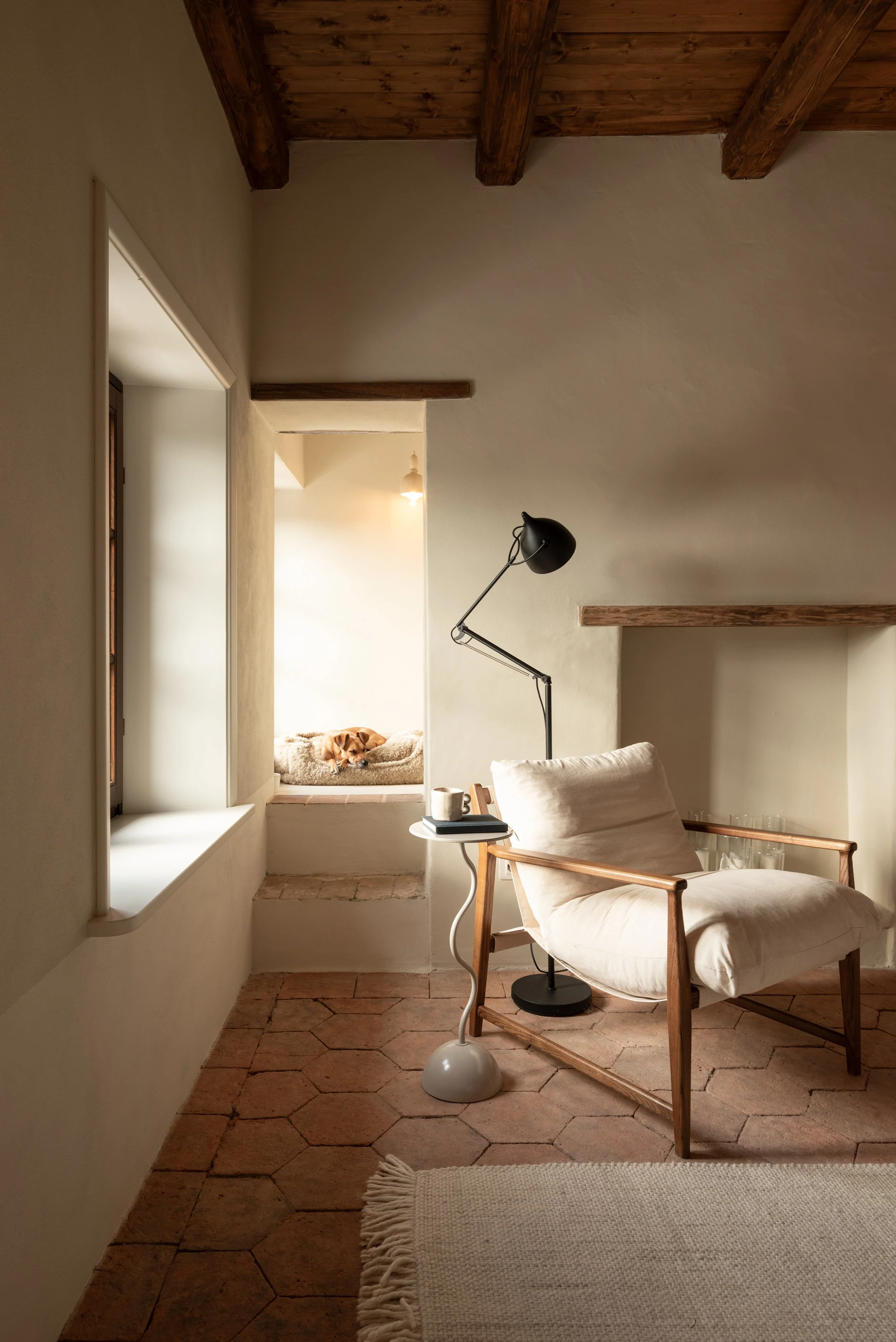
“If the interior doesn’t match the vibe of the house and the landscape around it, something will always feel slightly off. That’s why trends don’t belong here in Italy aswell :-).”
Atmosphere First, Anything Else Later
Many people begin with moodboards, materials and furniture ideas. There is nothing wrong with a little dreaming, of course, but from a designer perspective i have a slightly different view on how you should create a home here in Italy that that truly reflects you.
Renovating first of all invites you to look more closely at a few things:
(besides the technical points in Step 1)
the outside environment
light
sightlines
routing
the way seasons influence daily life
the atmosphere you want to create
A good renovation concept doesn’t start with things.
It starts with understanding how the house could feel. Before choosing anything, even before you open Pinterest, decide how you want the house to feel. How do you want to feel when stepping in the house? Which words come to mind when you walk through the rooms?
And if it’s a rental or B&B what do you want the guests to experience?
If Pinterest didn’t exist, how would you approach your design? You would have to look inward: what was the image you had in mind when you bought this house?
The right atmosphere goes hand in hand with the building and its surroundings. A rural cascina in the hills asks for a completely different atmosphere than a palazzo in the city.
If the interior doesn’t match vibe of the house and the landscape around it, something will always feel slightly off. That’s why trends don’t belong here either :-).
In Italy houses carry their own identity, shaped by the region, the climate and the architecture.
And when the interior supports that identity, the house feels more grounded and effortless.
Once you understand that part of the atmosphere, choices becomes much easier.

A Gentle Note
If you're entering this phase and want support shaping your renovation concept, from layout and sightlines to atmosphere and materials, we guide homeowners in creating clear, intuitive design foundations tailored to Italian homes.
It’s one of the most transformative steps in any renovation, because it turns a beautiful idea into a plan that finally makes sense.
Feel free to reach out!
2. Your Plan of Requirements: The Practical Base of Your Concept
Before sketching layouts or collecting inspiration, take a moment to write down a simple Plan of Requirements. It’s the bridge between atmosphere and actual design decisions, and it keeps your renovation grounded and realistic.
You don’t need anything formal, just a clear overview of what the house needs to do for you.
From big to small
A few example questions to ask yourself:
1. Coarse, big-picture needs
How do I want to live here throughout the year?
What are my non-negotiables?
2. Middle, functional requirements
How many rooms and which functions do I need?
How will guests use the house (if renting or hosting)?
3. Refined, practical details
What do i need in the kitchen?
What parts of the existing house deserve to stay?
These questions were just a few examples, extend the list and work from coarse to fine. Oh and don’t forget about heating, electrics etc!
Italy-Specific Things to Include in Your List Of Requirements
A Plan of Requirements for an Italian home benefits from a few extra considerations:
seasonal living (winter = compact warmth, summer = outdoor flow)
shade needs (pergola, trees, vines)
storage for seasonal items (wood, fans, blankets)
indoor–outdoor movement
preferred bedroom orientation in summer (north-facing works wonders)
framed views instead of fully open landscapes
A Simple ChatGPT Prompt to Help You Structure It
“Help me create a simple Plan of Requirements for an Italian home based on:
– how I want to live here (summer vs winter)
– the functions I need
– the behaviour of light
– what in the house should stay
– the atmosphere I want to create
Ask me questions to clarify and then summarise my Plan of Requirements clearly.”
3. Take Time to Discover the House
What could be helpfull is taking some time to discover the house and every corner it has, this will tell you a lot, even more when you have the time to see the house in different seasons. I know that sounds like a long time but maybe, just maybe, Italy will help you with taking that time ;-).
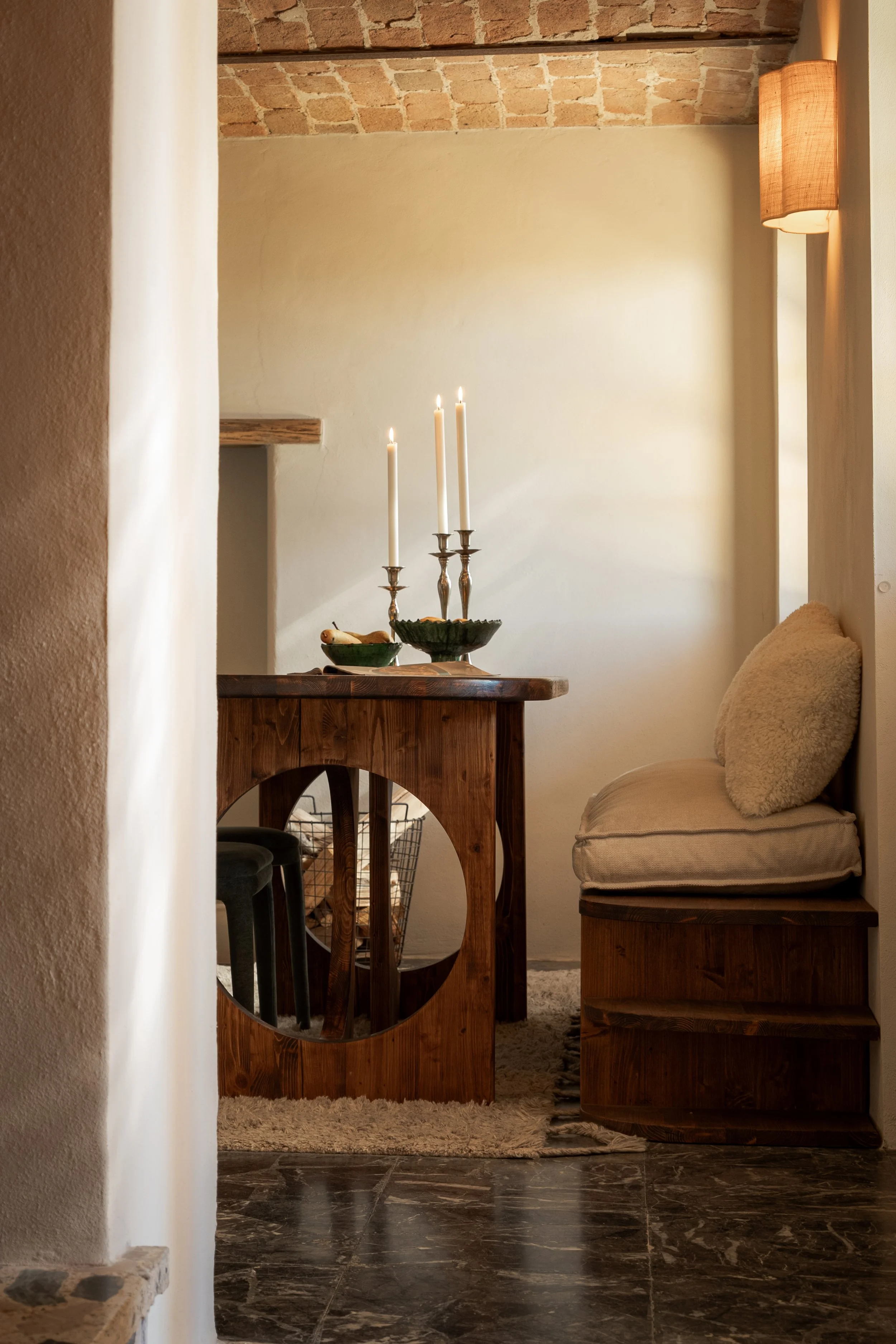
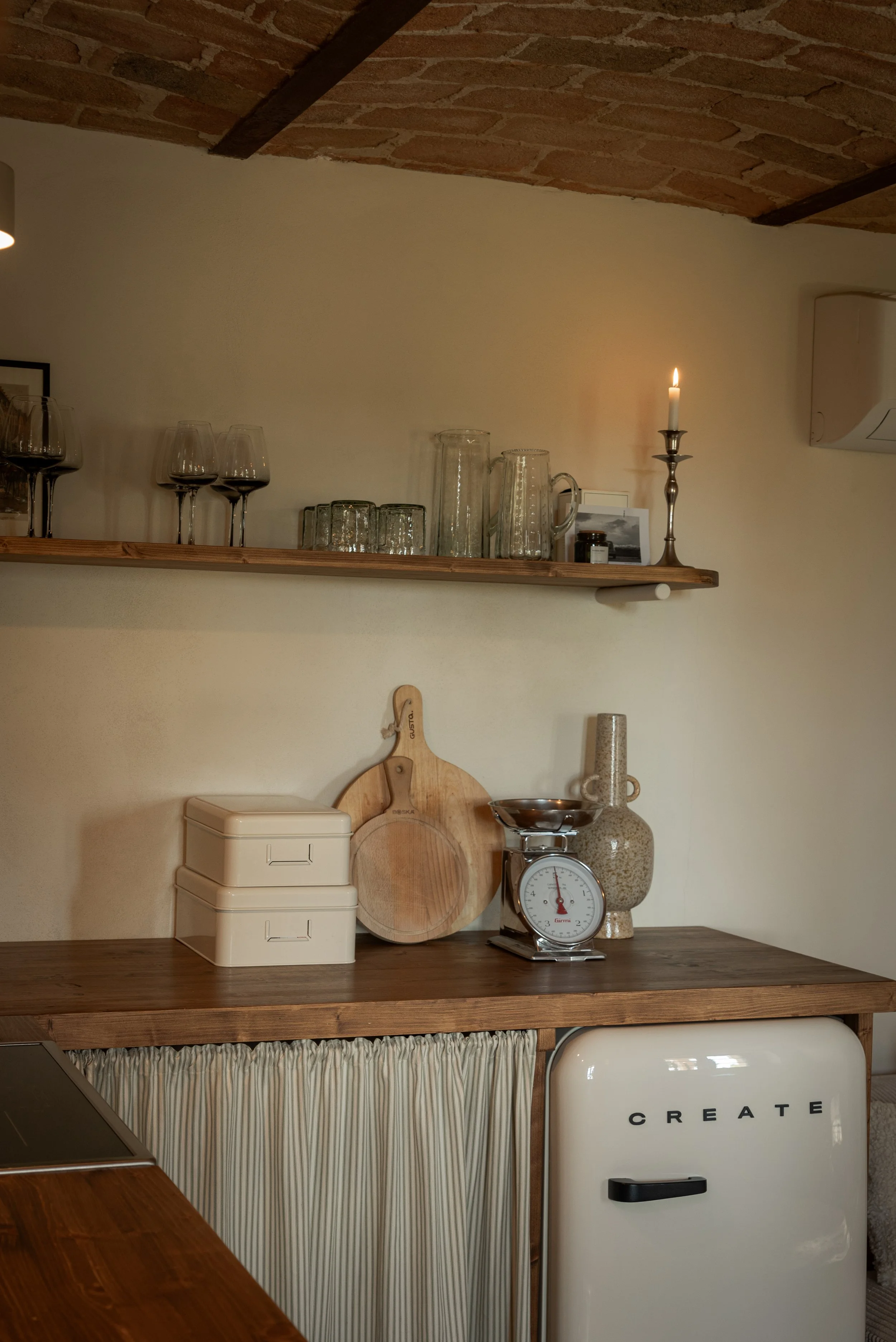
When you’re lucky you bought something with old details and it could be nice to reveal the old details first before you make any big decisions. The design can really be formed by things you could not imagine in the first place:
a brick ceiling you want to bring back
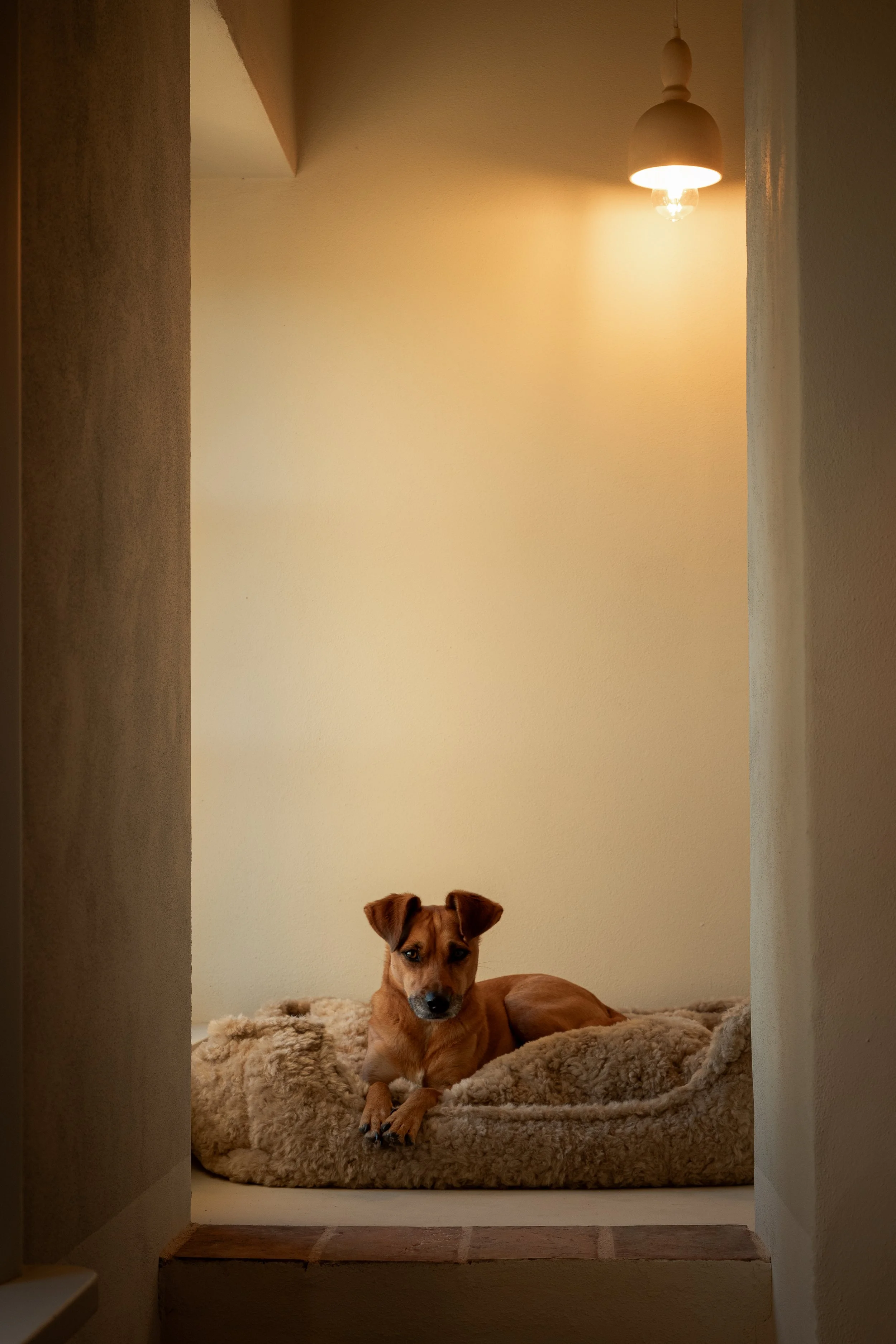
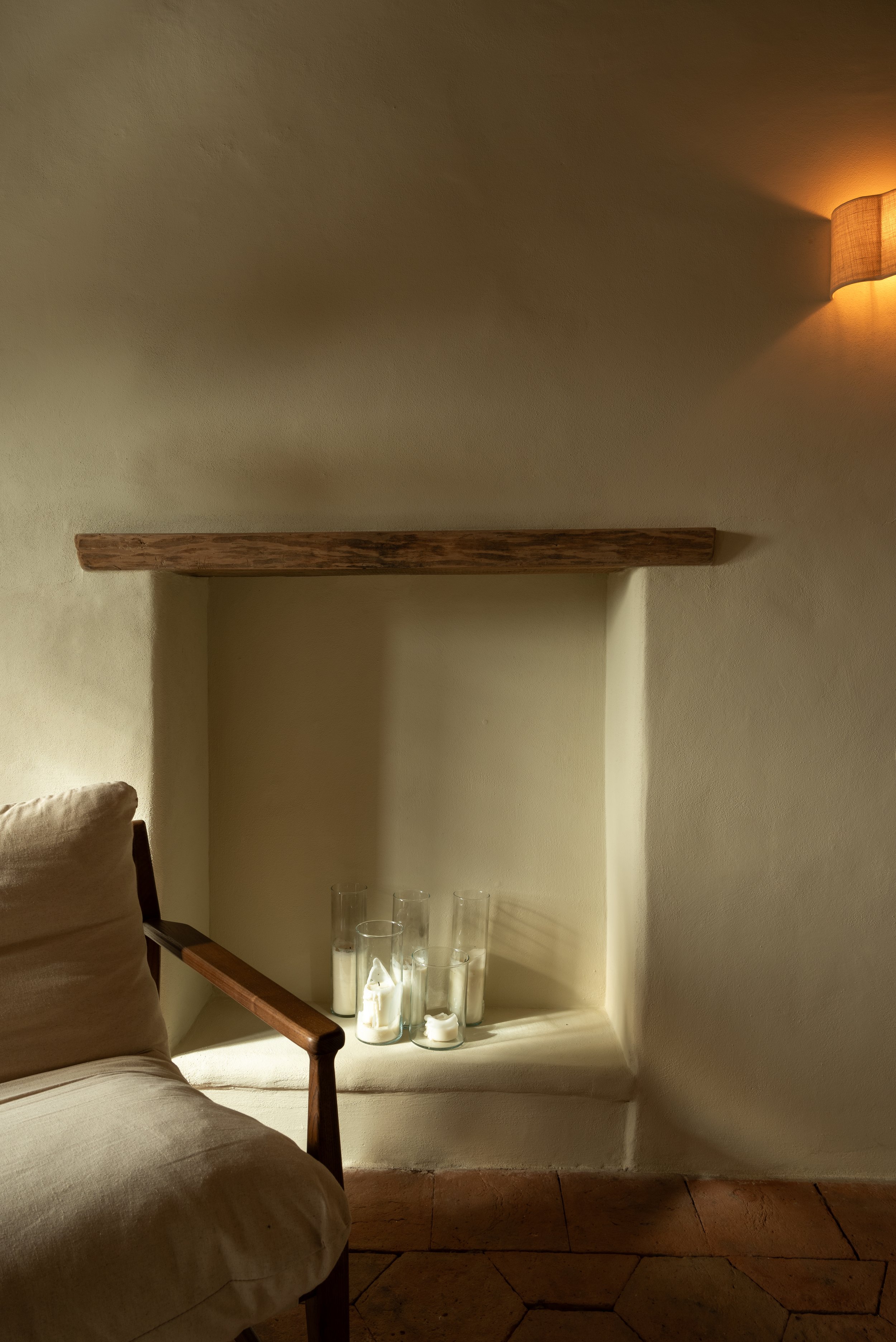
a hidden niche or fireplace that becomes the heart of the room
a terrazzo floor you didn’t expect to find with a beautiful color
or a doorway that suddenly creates a beautiful flow when opened up
They help shape a design that feels honest to the house instead of pushing a concept onto it. I even used the staircase as a reference for the rest of the design choices.
So in my opinio: A strong renovation concept begins with what’s already there, and what deserves to stay.
In the next catogorie it’s also good to take some time.
“I know that sounds like a long time but maybe, just maybe, Italy will help you with taking that time ;-). ”
4. Sightlines: the Quiet Backbone of a Good Layout
Sightlines determine more than most people realise.
A view towards the outside can become your first artwork in the room, framed naturally by the window.
In the beautiful hills of Piemonte i’ve seen many people think the best view is the widest one.
But often the most beautiful views are the framed ones, so be careful with what you remove in the garden.
Trees, vines, or other greenery in front of the view create rhythm and depth and above all shade!
This is why we always recommend living with the property for a few seasons before cutting trees.
Once they’re gone, your shade, privacy and atmosphere are gone too, and a fully open view often feels flatter than people imagine.
“Sightlines determine a lot in the house, a sight towards outside could also be your first artpiece in the room framed by the window! ”
Maximize the Potential of Your Italian Renovation
Renovating an Italian home is something you probably do only once. Make sure every big decision is the right one.
We combine technical building knowledge, restoration experience and interior design. Before moving to Italy we managed complex restorations of canal houses, villas and listed buildings. Now we support international homeowners in Piemonte with clear, independent advice.
With the right guidance you avoid costly mistakes, delays and layouts that do not work in daily life. You gain overview, a realistic plan and a house that feels calm and considered.
This is how we can support you:
Brainstorming session
A focused session online or on site in Piemonte where we review your plans, discuss permit strategies and explore design options. You walk away with clarity, priorities and concrete next steps.
On site renovation support in Piemonte
Independent guidance during your renovation. We help you prepare decisions, check drawings and quotes and stay in control while the Italian professionals handle the formalities and construction.
Maintenance and interiors in Piemonte
For second homes we also help with practical maintenance and interior choices so the house works well in daily use and feels inviting for you and your guests.
Curious what this could look like for your project
Leave a short message through our contact form and share where you are in the process. We will get back to you with options for a session or coaching that fit your situation.
5. Routing That Works Year-Round
Italian houses, even in the south, live in seasons.
In winter, you naturally move closer to warmth and compact spaces and the south of the house.
In summer, life spills outside: breakfast on the terrace, dinner under the pergola, doors open in the evening to let the breeze move through the house and preferably sleeping on the north side of the house.
Designing with seasons in mind helps the house stay comfortable and naturally connected to its surroundings.
When shaping your layout, think about:
the route you walk every day
how you move between inside and outside
where guests naturally gather
which spaces need to feel cosy in January
and which ones become your ‘summer rooms’
how to keep it comfortable in winter (not by make all the spaces big)
6. Light: How Italian Daylight Shapes the Room
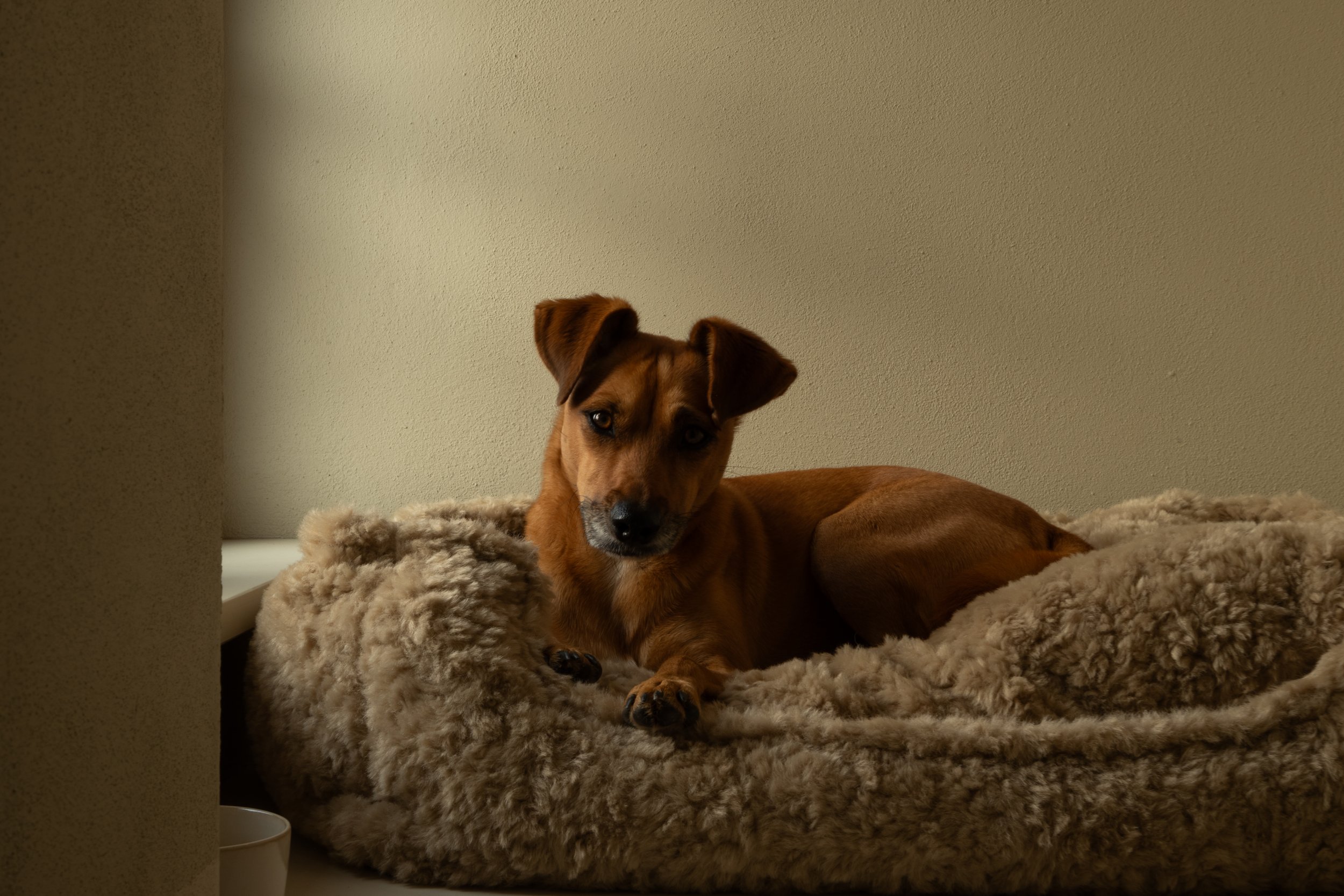
Italian light is different, winter sun sits low, pouring long shadows across the floor.
Summer light is sharp and bright, bouncing off pale walls and warming the house in minutes.
This light changes:
how colours behave (be sure to sample colours on the walls!)
where you want to sit in the morning
how a room feels in winter versus summer
which materials stay pleasant in strong sun
how a pergola or shading solution affects the interior
Understanding the light is an important part of the design.
Practical tip for Italy, be careful with bright white on façades and gravel. It will blind you in full sun.
Turning It Into a Working Concept
Start simple
A first concept doesn’t need to be perfect, it needs to guide you towards the next steps.
Here are a few steps to take now to start with:
define 3 words for the atmosphere
map the light and natural movement in the house
sketch the main rooms and the flows between them
start abstract with a zoning plan
decide what deserves to stay
imagine the house in winter and in summer
start with your list of requirements
From here, your renovation finally starts to feel real, enjoy the process!
Renovating in Italy Series
Step 1 — The beginning and understanding the technical state
Step 2 — Permits and professionals
Step 3 — From dreams to a renovation concept that works (you are here)
Step 4 — Planning your renovation in numbers (February 2026)
Meet the Writer
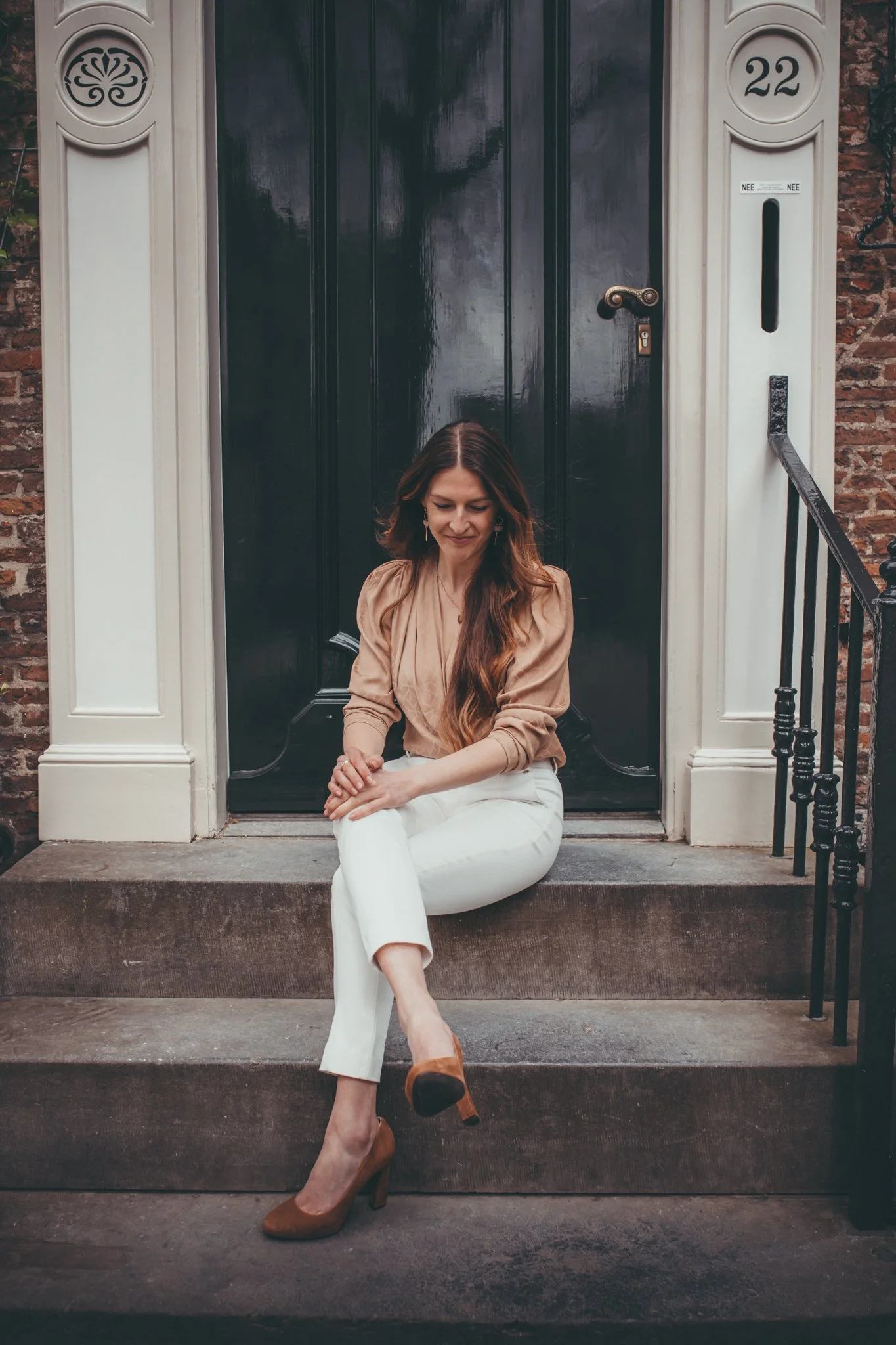
This blog was written by Jennifer Kenters-Building engineer and designer-passionate to make it easier for others to navigate the Italian home-buying process.
After renovating historic buildings in the Netherlands for years, I moved to Italy where I now work with buyers and homeowners who want to transform old farmhouses, apartments and holiday homes into something functional, comfortable and beautiful.
Through our own cascina renovation in Piemonte, I quickly realised how different the Italian building culture is, how easily important details are overlooked, and how valuable it is to have a clear structure from the very beginning. That is why I created this renovation series, sharing the practical steps, technical insights and lessons I wish every new homeowner had access to.
Today, Boy and I visit properties regularly and guide others through the technical and design stages of their renovation. Combining craftsmanship, construction knowledge and design, we help people make informed decisions before they start the building process.
Want to follow our journey? I share daily updates on our renovation projects, insights, and life in Italy over on Instagram , come say hi!